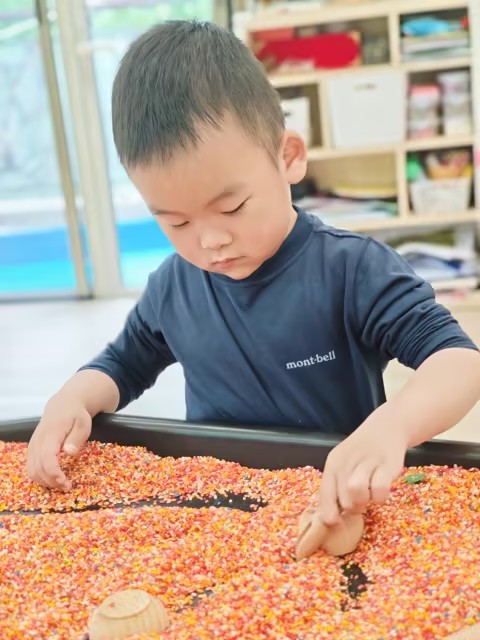
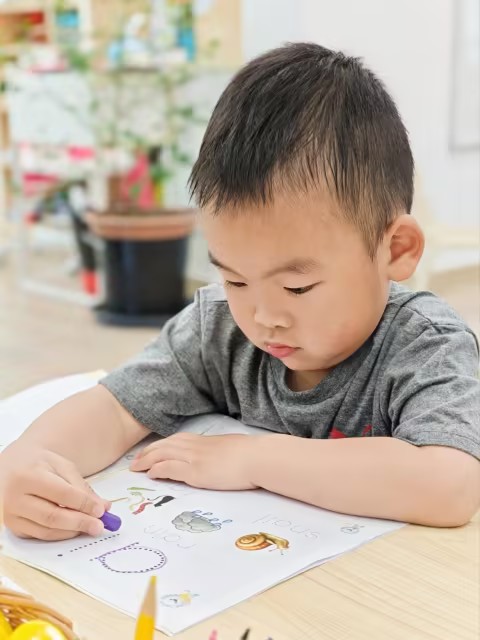
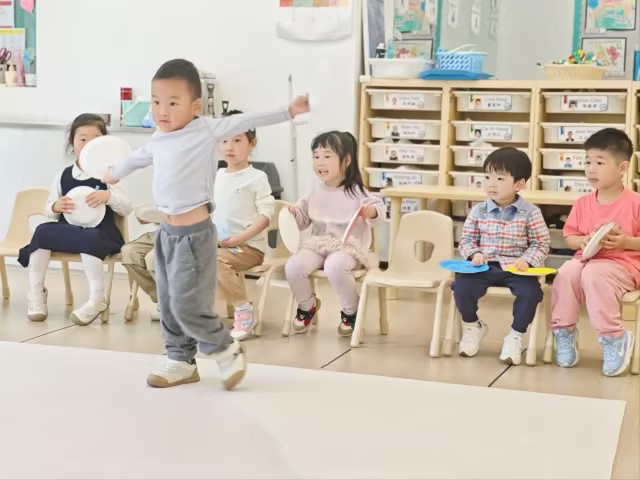
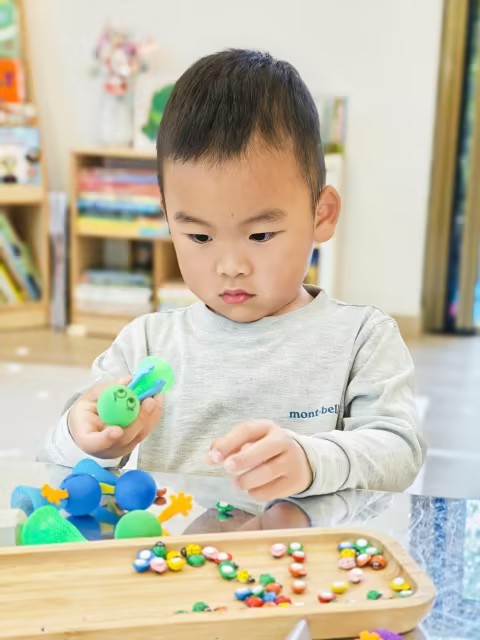
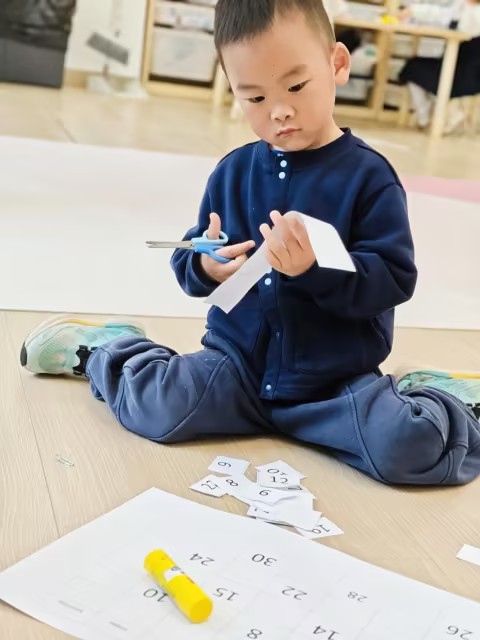
Hello everyone, In today’s PBL lesson, the children began to learn about ocean food chains. They learned to name sources of food, give examples of herbivores, omnivores and carnivores, and order living things in a food chain. In phonics, the children learn the letter Qq. They identified the letter in upper and lowercase, learned new vocabulary containing the letter and used the sound of the ‘qu’ digraph to decode and blend unfamiliar words. In STEM class, the children continued to learn about air. The made model sailboats and discovered how air can be used to propel the boat across the water’s surface. In Chinese class, the children began to learn about parts of the day such as morning, afternoon, evening and night. The identified typical activities that take place during those times. Such as brushing teeth, eating lunch etc. ****Please note, this Thursday we will be having an Easter egg hunt. Please send your child to school with an Easter hat or bunny ears. Thanks in advance. ****今日中文数学课围绕“时间段排序”展开,孩子们通过观察在校一日生活的图片与对应的时间段标识,初步感知了早上、中午、下午、晚上四个时间段的先后顺序。课堂上,孩子们能结合自身经验,用“早上我刷牙\上学”“上午上科学课\户外玩\x学英语”等 “下午午睡\上中文课、课后班”等“晚上我看电视\爸爸讲故事给我听”等简单语言,清晰地讲述不同时间段里通常会做的事情。在操作环节,大家尝试将代表各生活场景的图片按从早到晚的顺序排列,所有孩子能较准确地将图片与对应时间段匹配并有序摆放。整体来说孩子们已初步建立了一天时间流转的概念。 Daily Menu Moments
NurseryA collection of 0 posts
Hello everyone, In this morning’s PBL lesson, the children listened to a reading of two books. The first book was a non-fiction book, simply entitled Fish. The second book was the fictional tale The Rainbow Fish. The children learned about the characteristics of fish including their birth from eggs, their skeletons, their shapes and sizes and how they gather food from the first book. In the second book, they learned about sharing. The children compared and contrasted the books through discussions, concluding by telling what makes a fictional tale. In phonics, the children concluded the week with a fun science experiment to experience the word ‘fizz.’ The children added coloured vinegar with water droppers to a base of baking powder and observed the resulting fizzing reaction. In PE class, the children continued with their basketball related theme and practiced jumping, rolling a ball, throwing and catching, strengthening ball-handling abilities and special awareness. In Chinese class, the children developed an awareness of marine conservation learned several methods of protecting the ocean environment. Please find this week’s optional homework in the children’s school bags. 今天我们和小朋友们一起进行了一场有趣的“海洋捉迷藏”之旅。孩子们化身小探险家,认识了四位很会躲藏的海洋朋友:青蛙鱼会一动不动地藏在珊瑚旁边,还用头上的“小钓竿”吸引食物;比目鱼小时候会把眼睛慢慢移到同一侧,好让自己躺在沙子里看得更清楚;拟态章鱼像个魔术师,能变颜色还能模仿其他动物;石头鱼则把自己变得和周围的石头一模一样,如果不小心,还真发现不了它。整节课孩子们都特别投入,角色扮演“青蛙鱼钓鱼”、体验“比目鱼单眼视角”、模仿“拟态章鱼变身”以及“寻找石头鱼”等互动游戏,让孩子们在玩乐中直观感受了每种生物独特的伪装本领,课堂气氛轻松活跃,孩子们的好奇心和观察力 Daily Menu Moments
家长朋友们下午好~今天的音乐课上,孩子们首先复习了音阶《Do Re Mi Fa》,跟着钢琴声一边听一边唱,努力把每一个音唱准。接着我们认识了一位新朋友——Sol,孩子们在琴声中反复聆听和模唱,慢慢熟悉了这个音的音高。课上还玩了一个有趣的问答游戏:老师唱“小猫怎么叫?”正好对应《Do Re Mi Fa Sol》五个音,孩子们要用《Mi Re Do》唱出“喵喵喵”来回答。大家都跟着琴声一唱一答,在游戏中把音阶唱得更准了。最后,我们一起欣赏并演唱了《小星星》和《Twinkle Twinkle Little Star》,这首歌曲的旋律和音阶紧紧相连,帮助孩子们进一步感受音高的顺序。孩子们在动作和歌声中玩得很开心,对唱歌的兴趣也更浓了。 今天的中文课上,我们一起走进了一个奇妙的海洋世界。孩子们先分享了印象中大海的颜色—蓝色,接着老师做了两个有趣的小实验——用红墨水变出了“红色的海”,让大家看到海水被污染后藻类大量繁殖形成的赤潮;又用荧光粉模拟了“发光的海”,虽然漂亮,但其实说明海水里有太多细菌。孩子们一边观察一边学着说“生病的大海”,还用小动作表演小鱼被毒素呛得难受的样子。随后我们玩了“海雪大餐”的游戏: 海底下雪(其实是海洋里的便便和垃圾等)了!小鱼儿们可高兴了,原来这些这些看起来脏脏的东西其实是小鱼的食物,还能帮我们制造氧气呢。通过今天的活动,孩子们不仅认识了赤潮、荧光海、海雪、海啸等海洋现象,也明白了要保护海洋,去海边玩时看到“生病的大海”要暂时远离,等它恢复健康再去。整节课孩子们玩得开心,也学得很认真。 Daily Menu…
Hello everyone, Today was our Curriculum Walk! This was an opportunity for parents or guardians to observe…
各位亲爱的爸爸妈妈们,大家好呀![玫瑰]💡本周我们学习了新的高频词 “we”,非常实用的词汇,可以引导宝贝在日常表达中多多使用哦~ 💡在阅读部分,我们学习了词汇读本 《On the Farm》,围绕农场主题拓展了相关词汇和句型。课堂上孩子们积极参与,尝试用所学内容描述农场里的小动物们! 💡小故事方面,我们阅读了 “T” 和 “We like toys” 两个小故事,其中出现tree, train这样的词汇依然算起始音为T,原理是之前介绍的dr是一样的哦。再次提醒大家,培养孩子的认读能力很重要,家里可以继续坚持每天阅读分级绘本,效果更好哦! 💡口语部分,本周我们引入的新问题是: “What animals…
家长朋友们下午好~今日艺术课上,孩子们首先欣赏了艺术家蔡国强用纸制作的立体作品,感受纸张从平面变成立体的奇妙。随后,大家开始尝试创作自己的立体小鸟。孩子们先用三个圆形纸片分别对折,把对折后的圆形两两粘在一起,小鸟圆鼓鼓的身体就出现了。接着,他们贴上细长的长方形作爪子,用三角形做嘴巴,最后粘上眼睛。一只只立体的小鸟就这样从孩子们手中诞生了。下节课,大家将继续为小鸟添上颜色,让它们变得更加生动。今天的中文课上,孩子们完成了《好饿好饿的毛毛虫》第三次探索。这一次,大家发现了一个有趣的秘密:把故事里的“很饿很饿”换成别的场景,就会变成一个全新的故事。课堂上,孩子们先从“很饿”出发,想象不同的动物饿了会吃什么。接着老师带着大家做起了替换的游戏——如果将“很饿”换成“很困”呢?孩子们马上想到,很困的毛毛虫不去找食物了,而是到处找地方睡觉:桌子上、椅子上、地毯上、床上、沙发上,能躺的地方都试了个遍。那如果换成“很热”呢?孩子们给毛毛虫出主意:喝冰水、吃冰西瓜,有的孩子甚至说“把自己关进冰箱里凉快凉快”。还有“很渴”的毛毛虫,到处找水喝,水龙头、小溪边、水坑里,哪儿有水去哪儿。孩子们慢慢明白了其中的逻辑:你的故事里的小动物做什么,取决于它在什么样的状态。很饿就忙着找吃的,很困就到处找睡的,很热就想办法让自己凉下来。顺着这个思路,大家编出了属于自己的新故事,于是教室里出现了“很困很困的小蛇”、 “很热很热的小猴”、“很想飞的狐狸”等…… 一节课下来,每个孩子都成了会编故事的小作家,太好玩了! 孩子们还认识了汉字“太、阳、星、期”。 Daily Menu Moments
Hello everyone, In today’s PBL lesson, the children created some craft tropical fish using pre-cut pieces of card and crepe paper. In phonics, the children learned the letter Zz and the digraph zz. They identified the letter Z in upper and lowercase, learned vocabulary containing the letter and the digraph and used the sound of the letter and digraph to blend simple CVC words (zip, zigzag, zap, buzz & fizz). In STEM class, the children began a new topic – learning about air. They discovered that air can be hot or cold and can be soft or powerful, yet it cannot be seen. They children made simple windmills and took them outdoors the test in the wind. In Chinese class, the children the children continued to learn about number bonds. Today, they looked at the composition of number four and different ways that the number can be composed or decomposed. 今天的中文数学课上,我们通过“4个海洋生物去两个家”的游戏,引导孩子们探索“4的分解与组合”。在操作中,大家发现4个动物可以分成“2和2”“1和3”“3和1”,也可以全部住进一个家、另一个家空着,从而理解了“0和4”的情况。借助这样直观有趣的游戏,孩子们初步建立了4的分合概念。随后,他们完成了分合练习纸,根据花朵的不同分成写出对应数字,在动手操作中进一步巩固所学。整节课孩子们在玩中学,既建立了数感,也感受到数学分合游戏的乐趣。 Daily Menu Moments
Hello everyone, This morning, the children continued to learn ordinal numbers. They are beginning to understand that an ordinal number is used to identify the position of people or objects in relation to others. The children identified the ordinal number of their position whilst making a line and completed a worksheet, identifying the positions of cars in a race. In phonics, the children reviewed the letter Yy. They identified vocabulary containing the letter and used the letter’s sound to blend this week’s CVC words (yak, yell, yet, yes). In PE class, the children began a basketball themed unit. They practiced squatting, jumping, dribbling and rolling the ball. These drills develop balance, body control, spatial awareness and ball-handling skills. In Chinese class, the children discussed which ocean animals are the most dangerous, what their special abilities are, how they hunt and how they protect themselves. Additionally, the children began to make paper mashe ocean creatures. Please fin this week’s optional homework in the children’s school bags.今天的中文课上,我们认识了几种危险的海洋生物。鸡心螺虽然长得漂亮,但体内藏着毒液,能用毒针像蛇一样捕食小鱼;海蛇毒性极强,却性情温和,不会主动攻击人;栉水母没有毒,但会分泌强力粘液把猎物牢牢黏住;火珊瑚表面布满了毒刺,碰了皮肤会像被烧伤一样疼。孩子们还通过游戏扮演水母和小鱼,在模拟捕食的过程中,亲身体会到水母粘液陷阱的厉害。孩子们在玩中了解到这些生活在大海里的动物看上去很美丽,却有一定的危险性,去海边玩的时候一定要注意,不要随便触碰这些动物哦。 Daily Menu Moments
家长朋友们下午好~ 在今天的音乐课上,孩子们首先跟着琴声复习了音阶《Do Re Mi》,随后在声音爬楼梯的游戏中,在原有的Do、Re、Mi基础上认识了新朋友——音阶Fa,初步感受Fa的音高位置。接着,孩子们继续开展视唱挑战环节,老师出示“Do Mi Re Mi Mi Do”卡片,引导孩子们尝试唱出这段旋律。孩子们分组跟随老师的琴声和手势,认真调整发声,在游戏中进一步巩固了这几个基础音阶的音准及简单组合。今天的中文课是一场热闹的海底探险!小朋友们跟着老师一起潜入海洋,认识了四位有趣的动物朋友。我们见到了拥有超能力的海星,孩子们不仅张开身体变成五角星,还用小手贴上吸盘贴纸,玩“吸住石头、松开石头”的游戏,最神奇的是大家一起大喊“再生”,把断掉的手臂变了出来。接着我们遇见了超级奶爸海马,孩子们模仿它卷卷的尾巴和站着游泳的姿势,看到老师扮演的海马爸爸从育儿袋里“生出”宝宝时,都惊讶得瞪大了眼睛。小丑鱼尼莫最受欢迎,大家一边在身上比划着橘白条纹,一边躲进“海葵”圈里,成功赶走了“鲨鱼“,。在认识了这些海洋朋友后,孩子们来到了手工桌旁,用彩色圆点贴纸为海星的“手臂”贴上一个个小吸盘。大家贴得可认真了,一边贴一边念叨着“吸盘吸住啦”,把自己心目中的海星打扮得漂漂亮亮。整节课下来,孩子们不仅通过身体游戏记住了海星再生、海马爸爸孵宝宝、小丑鱼与海葵共生这些特点,还亲手创作了自己的海洋伙伴,在认真中结束了今天的海底探险之旅。 Daily Menu Moments
Hello everyone, In today’s PBL, the children continued to learn about the attributes and characteristics of sea creatures. After reviewing facts previously learned about different types of sea creature the children participated in a guessing game in which they had to name the animal the teacher was thinking about based upon clues. Then, they carried out a sorting activity where they sorted sea creatures based upon their attributes. In phonics, the children continued to learn about the letter Yy. They used fishing rods and magnetic letters to catch letters and form this week’s phonics words (yes, yell, yak, yet). Once each word was formed, they blended the sounds out aloud to read the word in full. In Chinese class, the children continued to learn about the composition and decomposition of numbers up to three by using number bond activities. 今天的数学课围绕感知3的组成与分解展开,通过分宝石的游戏,带着孩子们一起探索了数字3可以怎么分。孩子需要将三颗宝石分到被一条线分开的一张纸的左右两侧,在这个过程中,他们发现3可以分成1和2,也可以分成2和1,还注意到了“全部分给一边”的情况,也就是3和0、0和3这两种形式。虽然我们接触了四种分法,但重点是帮助孩子们理解“1和2”“2和1”这两种核心的组合方式,感受两个部分数合起来就是总数3的等量关系。在操作中,孩子们不仅用手摆弄宝石,还尝试用语言描述自己的分法,比如“我在这边放了1颗,这边边放了2颗,合起来还是3颗”。通过反复的拆分与组合,他们逐渐体会到,虽然分的结果可以交换顺序,但总数始终不变,这为理解数的互换规律打下了基础。 Daily Menu Moments